


 Italiano


Gragnano Pasta
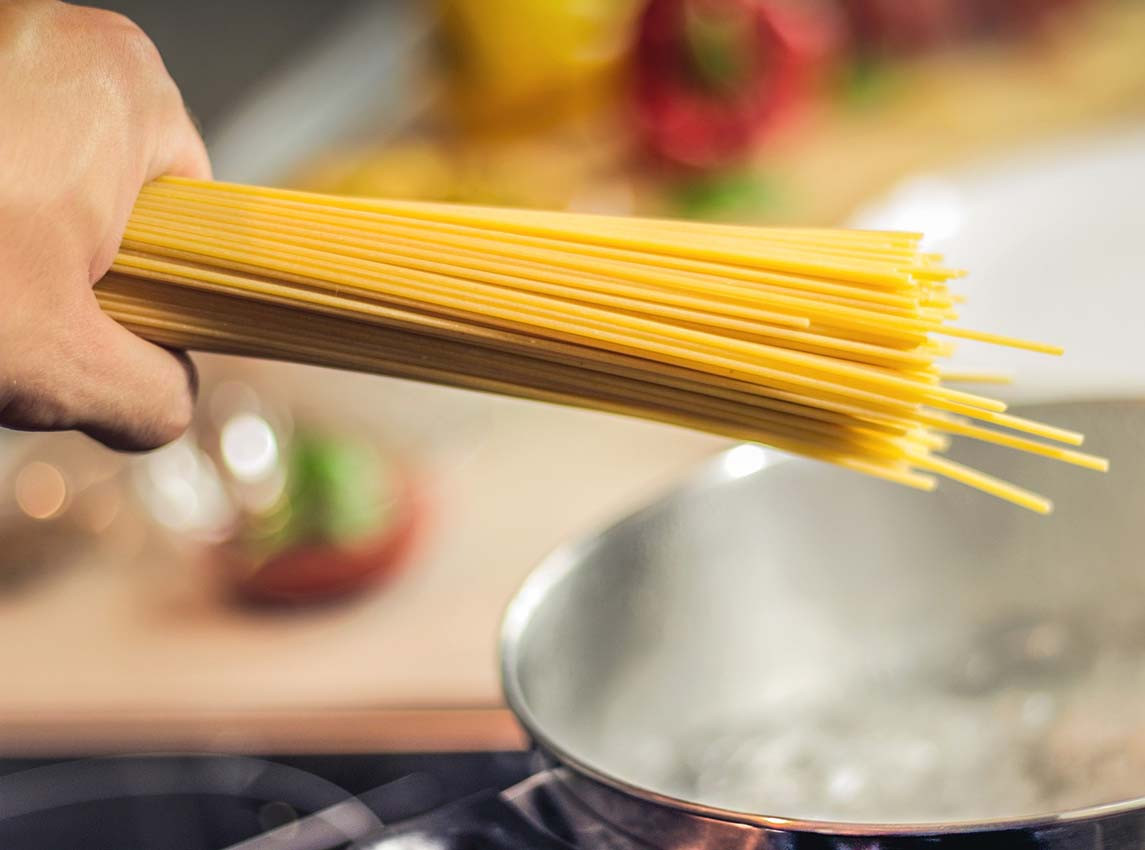
History and origins of the most famous artisan pasta in the world
Pasta di Gragnano is one of the most renowned Italian food products in the world. This pasta is produced in the city of Gragnano, located in the Campania region, in the province of Naples. The city is famous for its privileged geographical position, which favors the production of high-quality pasta.
Origins of Pasta di Gragnano
Pasta di Gragnano has ancient origins, dating back at least to the 16th century. At that time, the city of Gragnano was famous for the production of fresh pasta, but it was only in the 18th century that the production of dry pasta began, thanks to the introduction of the "drawing" technology (the process of extruding pasta through an opening).
The dry and ventilated climate of the city, together with the purity of the water used for the production of pasta, have made Pasta di Gragnano a high-quality product. In 2013, Pasta di Gragnano obtained the IGP (Protected Geographical Indication) recognition from the European Union, which officialized its cultural value and superior quality.
Characteristics of Pasta di Gragnano
Pasta di Gragnano is made using durum wheat semolina, water, and a slow processing that allows the pasta to absorb water and cook evenly. Pasta di Gragnano is rough to the touch, has a golden yellow color, and a porous surface that makes it able to hold sauce well.
Pasta di Gragnano is available in different shapes, including spaghetti, fusilli, rigatoni, penne, linguine, paccheri, and many more. Each shape of Pasta di Gragnano is designed to pair best with a specific type of sauce or seasoning, in order to obtain the maximum flavor.
The Production of Pasta di Gragnano
The production of Pasta di Gragnano is an artisanal process that requires time and patience. The processing starts with mixing durum wheat semolina with pure water, obtaining a compact and homogeneous dough. The dough is then worked through a drawing machine, obtaining the desired shape.
The pasta is then slowly dried at low temperature, using only dry air. This slow and delicate drying process allows the pasta to maintain all its organoleptic properties, especially the unique texture and flavor.
To ensure the quality of Pasta di Gragnano, the Consorzio di Tutela della Pasta di Gragnano IGP was established to promote and protect the product, ensuring that the production meets quality criteria and that the pasta is actually produced in the city of Gragnano.
Pasta di Gragnano is a high-quality food product appreciated all over the world for its unique texture, flavor, and ability to hold sauce. Thanks to its quality, Pasta di Gragnano has become a symbol of Italian gastronomic culture, representing the excellence of traditional food production.
More News
- The vendemmia: the ritual that bring Italy to a halt every september
- PPWR 2026: what changes for food producers and e-commerce
- The Italian Aperitivo: Native Sparkling Wines and Artisan Charcuterie
- Cold pasta and rice salad: the unwritten etiquette of the Italian summer
- Sunday lunch: the Italian architecture of slow time
Related by Tags
- Cold pasta and rice salad: the unwritten etiquette of the Italian summer
- Sunday lunch: the Italian architecture of slow time
- Carbonara: the warmth of autumn in a traditional Italian dish
- Italian Chestnuts: the Ancient Fruit that Tells the Story of Autumn
- Italian Artisan Pasta: A Thousand Reasons to Love It
