


 Italiano


Quinoa in the kitchen
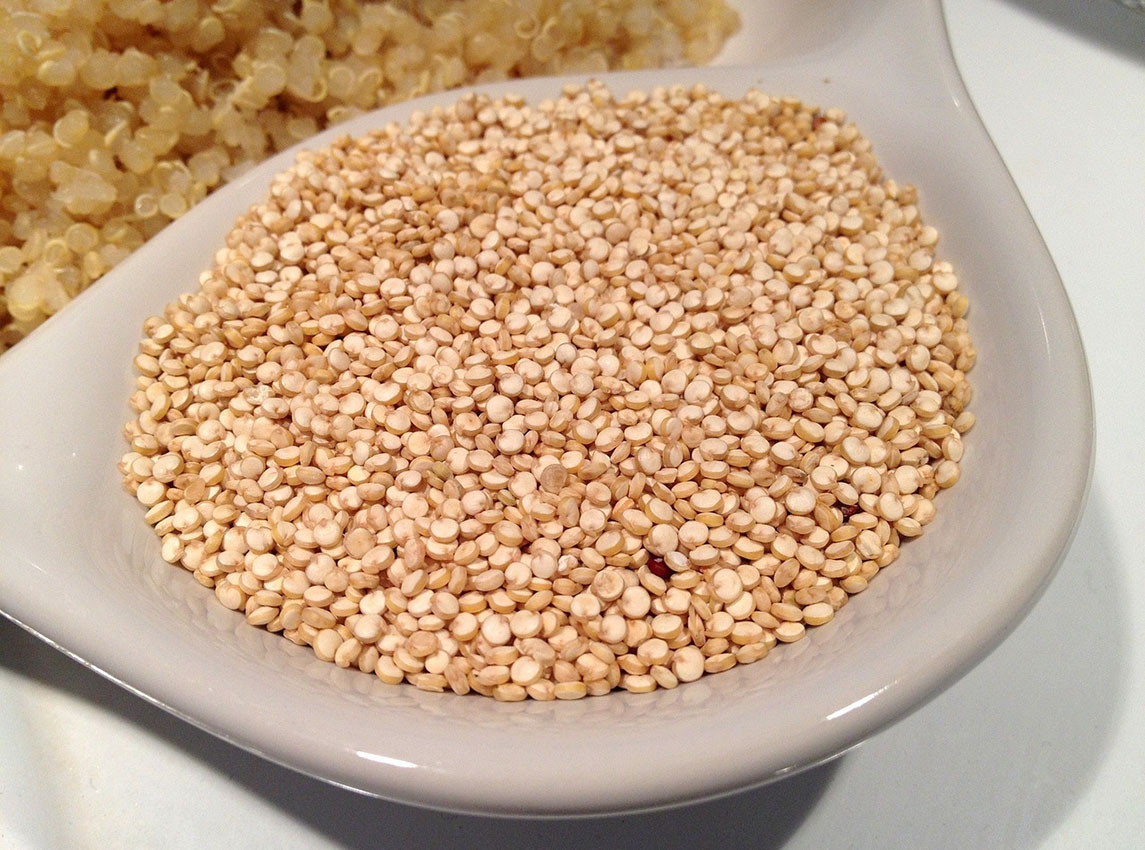
Quinoa, Chenopodium quinoa, has its roots in the ancient civilizations of the Andes, where it has been cultivated for millennia as a staple food
This pseudo-cereal survived through time due to its adaptability to the harsh climatic conditions of high altitudes and mountainous regions in the Americas.
Sustainable Cultivation and Resilience
Quinoa thrives in various environments but flourishes best in well-drained, sunny fields. Its drought resistance and tolerance to temperature variations have enabled its cultivation in many parts of the world.
Quinoa’s grains, harvested from its spikes, are rich in proteins and nutrients, collected and subsequently dried. The removal of the bitter outer layer, called saponin, occurs through a "dehulling" process to enhance its taste.
Detailed Nutritional Composition
Quinoa is renowned for being one of the most complete plant-based protein sources globally, containing all nine essential amino acids required by the human body. The presence of lysine, often lacking in other cereals, makes it a crucial protein resource.
Besides proteins, quinoa is rich in fiber, promoting digestive health and aiding in stabilizing blood sugar levels. Micronutrients include iron, magnesium, phosphorus, potassium, zinc, and B-group vitamins.
Antioxidants like flavonoids and polyphenols offer further health benefits, aiding in reducing inflammation and supporting the immune system.
Versatility in the Kitchen and Advanced Applications
Quinoa flour, with its starch content, serves excellently as a natural thickener in many culinary preparations. Its binding ability makes it an ideal choice for gluten-free baking, ensuring both consistency and taste.
Moreover, the utilization of quinoa flour in pasta-making has gained significant attention. Quinoa-based pasta offers a gluten-free alternative with a distinctive nutty flavor and a slightly firmer texture compared to traditional wheat-based pasta. It not only caters to those with gluten sensitivities but also appeals to individuals seeking diverse tastes and textures in their meals.
The process of making quinoa pasta involves blending quinoa flour with water and sometimes other gluten-free flours to achieve the desired consistency. The resulting pasta can be used in various dishes, from simple preparations with olive oil and herbs to elaborate sauces and hearty recipes.
Quinoa, with its captivating history, resilient cultivation, and comprehensive nutritional composition, stands as an extraordinary food resource. Exploring the multifaceted culinary possibilities offered by this pseudo-cereal, including its application in pasta-making, can lead to satisfying taste experiences and a balanced, nourishing diet.
Its versatility in the kitchen, coupled with its array of health benefits, makes it a valuable addition to the table for those seeking nutrient-rich and sustainable foods.
More News
- World Pasta Day 2026: Italy's pasta in numbers
- Fettuccine Alfredo: the true story of the Roman dish the world believes is American
- The vendemmia: the ritual that bring Italy to a halt every september
- PPWR 2026: what changes for food producers and e-commerce
- The Italian Aperitivo: Native Sparkling Wines and Artisan Charcuterie
