


 Italiano


The World of Beer
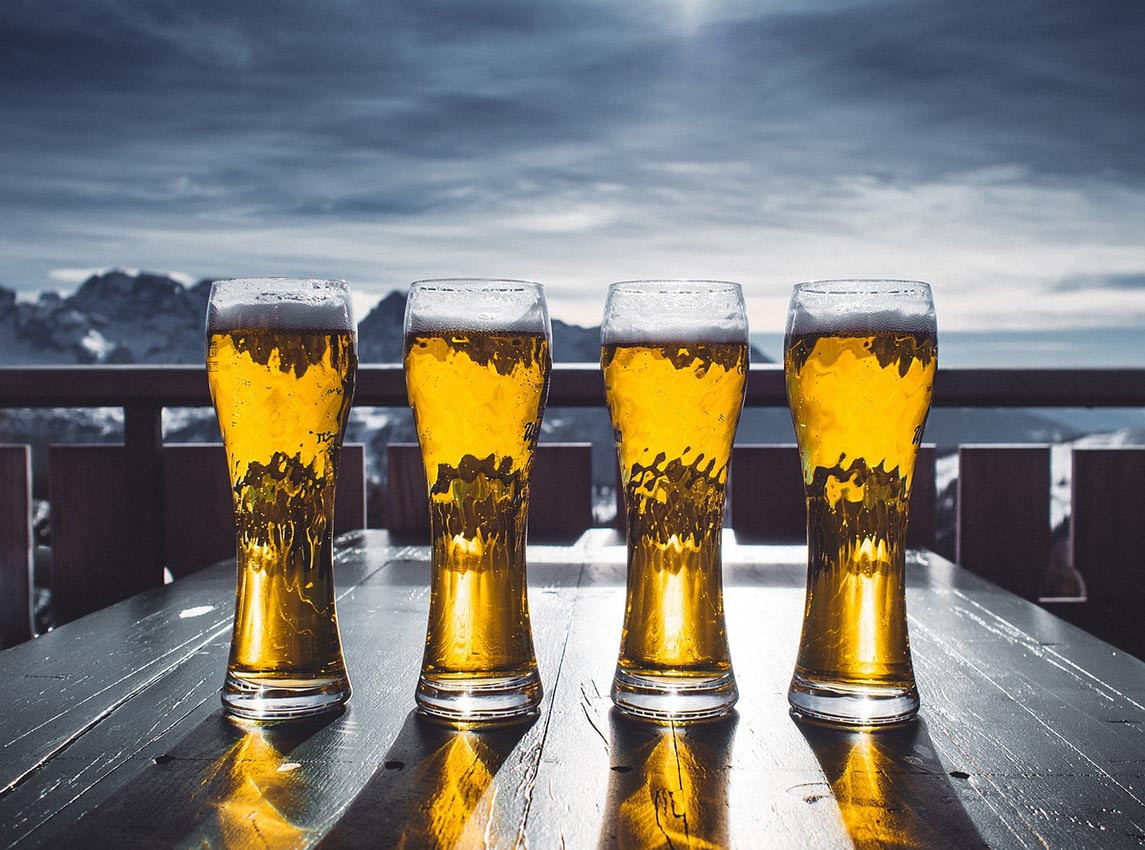
Beer is one of the oldest and most universal beverages in the world.
Its origins date back about 7,000 years, with the earliest evidence of beer production found in Mesopotamia, present-day Iraq, where the Sumerians and Babylonians left records of fermentation.
Historical and archaeological evidence shows that beer was a fundamental part of daily life, often consumed for its nutritional and medicinal properties.
The History of Beer: From Antiquity to the Present Day
Over the centuries, beer production has evolved and spread around the world. In ancient Egypt, beer was considered a sacred beverage and was consumed daily. Egyptians also used it as an offering to the gods and as a means to pay the workers who built the pyramids.
During the Middle Ages, Christian monks in Europe refined beer production techniques, improving the quality and effectiveness of fermentation.
Monasteries became centers of brewing innovation, and many of the recipes and techniques developed during this time are still used today.
The Renaissance saw the introduction of hops in beer production, revolutionizing the taste and shelf life of the beverage.
The Industrial Revolution then radically transformed beer production with the advent of modern technologies that made large-scale, efficient production possible.
Beer Production Techniques
Beer production, whether craft or industrial, follows a fundamental process in four stages: malting, mashing, fermentation, and maturation.
- Malting: The process begins with the germination of barley grains, which are then dried in a kiln to produce malt. This stage imparts the beer's characteristic color and flavor.
- Mashing: The malt is mixed with hot water to create a mixture called "mash." During this stage, enzymes in the malt convert starches into fermentable sugars.
- Fermentation: The mash mixture is then filtered to extract the wort, which is boiled and flavored with hops. After cooling, the wort is inoculated with yeast, which ferments the sugars to produce alcohol and CO2.
- Maturation: The beer is then matured in tanks to develop its flavors and aromas. This stage can last from a few weeks to several months, depending on the type of beer.
Craft Beer vs. Industrial Beer
One of the main differences between craft beer and industrial beer is the scale and method of production. Craft beer is produced in small batches using high-quality ingredients and traditional techniques. Craft brewers often experiment with different hop and malt varieties, creating unique and complex beers that reflect their creativity and passion.
Industrial beer, on the other hand, is produced in large quantities using automated processes and standardized ingredients. This method allows for consistent and cost-effective production but often at the expense of quality and flavor. Industrial beer tends to have a more uniform and less distinctive flavor profile compared to craft beer.
Beer Culture: Traditions and Innovations
Over the centuries, beer culture has evolved and diversified. In many countries, beer has become an important part of culinary and social culture. Beer festivals, tastings, and brewery tours are just some of the events that celebrate this beverage.
Today, craft beer is experiencing a global renaissance, with breweries emerging everywhere, pushing the boundaries of taste and creativity.
Consumers are increasingly interested in discovering new varieties and styles of beer, and craft brewers continue to experiment and innovate to meet this demand.
Curiosities and Interesting Facts
- Beer and Health: Studies have suggested that moderate beer consumption may have beneficial effects on cardiovascular health and bone density, thanks to antioxidants and minerals present in the beverage.
- Beer and Food: Pairing beer with food is an art in itself. Beer can enhance the flavors of dishes, much like wine, and different beer varieties can be matched with different types of cuisine.
- Beer in Italy: In Italy, beer culture is growing, with many craft breweries producing high-quality beers and innovative styles that reflect local traditions.
Beer, with its long and fascinating history, continues to evolve and surprise consumers around the world.
From craft production that celebrates creativity and quality to industrial production that ensures accessibility and consistency, beer offers a wide range of experiences and flavors.
Whether you are a craft beer enthusiast or a fan of classic industrial beers, there is always something new and interesting to discover in the world of beer.
More News
- World Pasta Day 2026: Italy's pasta in numbers
- Fettuccine Alfredo: the true story of the Roman dish the world believes is American
- The vendemmia: the ritual that bring Italy to a halt every september
- PPWR 2026: what changes for food producers and e-commerce
- The Italian Aperitivo: Native Sparkling Wines and Artisan Charcuterie
