


 Italiano


Turanicum Wheat - Khorasan
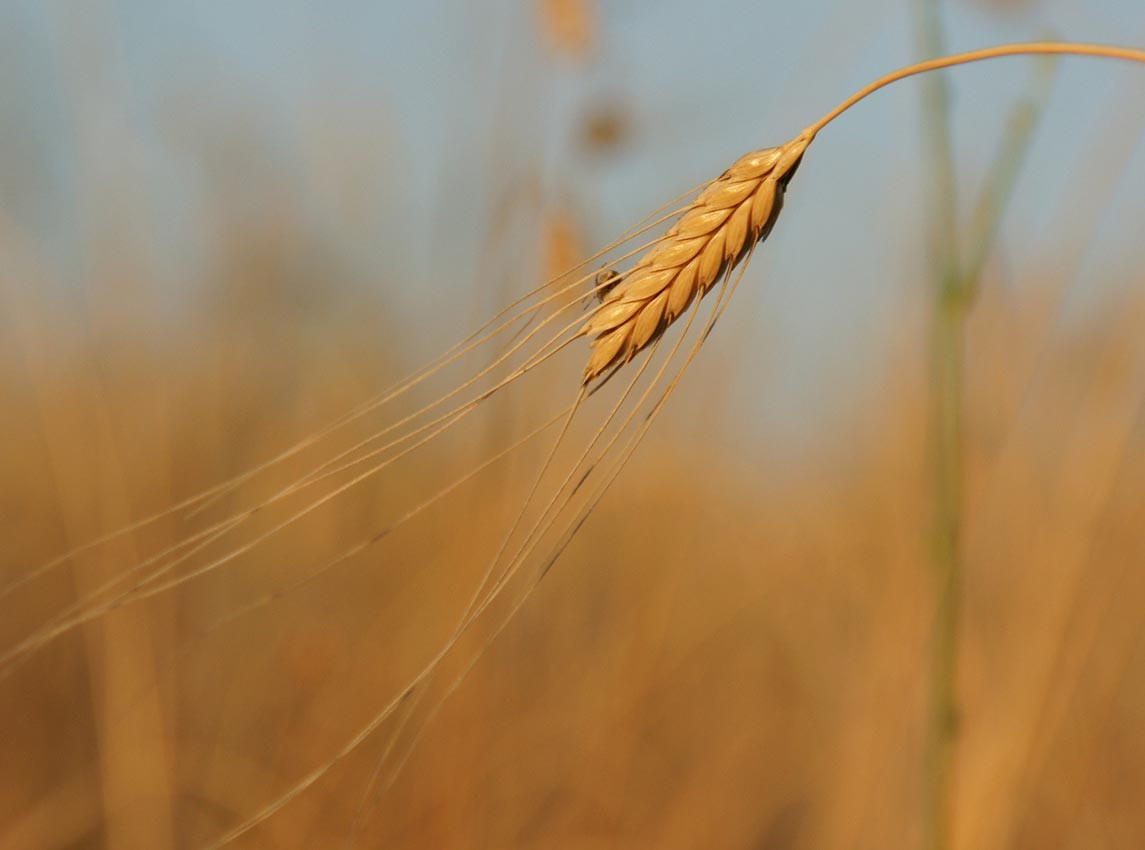
Turanicum wheat, also known as Khorasan, is an ancient grain variety that dates back over 5,000 years, originating from the fertile lands of the Middle East and Central Asia.
Its name derives from the historical region of Turan, which today encompasses parts of Kazakhstan and Uzbekistan.
This variety was rediscovered in the 1970s by an American farmer who began cultivating it sustainably and organically.
This contributed to its growing popularity due to its superior nutritional qualities and distinctive flavor.
Botanical Characteristics
Turanicum wheat is botanically classified as Triticum turgidum ssp. turanicum and is characterized by its large, golden grains.
One of its peculiarities is the higher protein content compared to common wheat, which can be up to 30% more.
This makes it particularly appreciated among pasta and baked goods producers, as a higher protein percentage provides better elasticity and cooking retention.
Nutritionally, Turanicum wheat offers an impressive profile: it contains about 15-20% fiber, which aids digestion and contributes to a feeling of fullness.
It is rich in essential minerals such as selenium, magnesium, zinc, and iron, which play crucial roles in bodily metabolism and overall health.
Additionally, it is a source of antioxidants that help combat oxidative stress in the body.
Culinary Uses
When it comes to culinary applications, Turanicum wheat stands out for its versatility.
Its flour, thanks to its protein content and the presence of high-quality gluten, is ideal for making artisanal pasta.
Using Turanicum wheat flour for pasta results in a final product with extraordinary texture and unique flavor. For instance, Turanicum pasta paired with fresh basil pesto and cherry tomatoes not only enhances taste but also showcases the quality of the ingredients.
Turanicum wheat is also perfect for baking. Breads made from this grain flour have a crunchy crust and a soft, flavorful interior.
The dough rises beautifully thanks to the structure of the gluten, allowing for light yet substantial breads and focaccias. Imagine serving slices of Turanicum bread with a bit of fresh butter or a drizzle of high-quality extra virgin olive oil: a culinary experience that speaks of tradition and authenticity.
Furthermore, cooked Turanicum grains can be used in salads or as a base for unique dishes.
Their firm texture and slightly sweet flavor make them ideal for combinations with grilled vegetables, legumes, and fresh cheeses. A grain salad with grilled zucchini, tomatoes, and feta, dressed with an olive oil and lemon emulsion, can transform into a nutritious and colorful dish, perfect for a summer lunch.
Turanicum wheat is much more than just an ingredient; it symbolizes tradition and quality. Its unique characteristics make it an excellent choice for those seeking a healthy and tasty diet. Experimenting with Turanicum wheat in your recipes not only enriches your diet but also invites you to explore new culinary horizons.
Visit our portal 360italymarket.com to discover our selection of products made with Turanicum wheat. Bring the authentic taste of Italian excellences to your table and let yourself be captivated by a culinary journey that celebrates quality and tradition.
More News
- World Pasta Day 2026: Italy's pasta in numbers
- Fettuccine Alfredo: the true story of the Roman dish the world believes is American
- The vendemmia: the ritual that bring Italy to a halt every september
- PPWR 2026: what changes for food producers and e-commerce
- The Italian Aperitivo: Native Sparkling Wines and Artisan Charcuterie
