


 Italiano


The Speck and the Alps
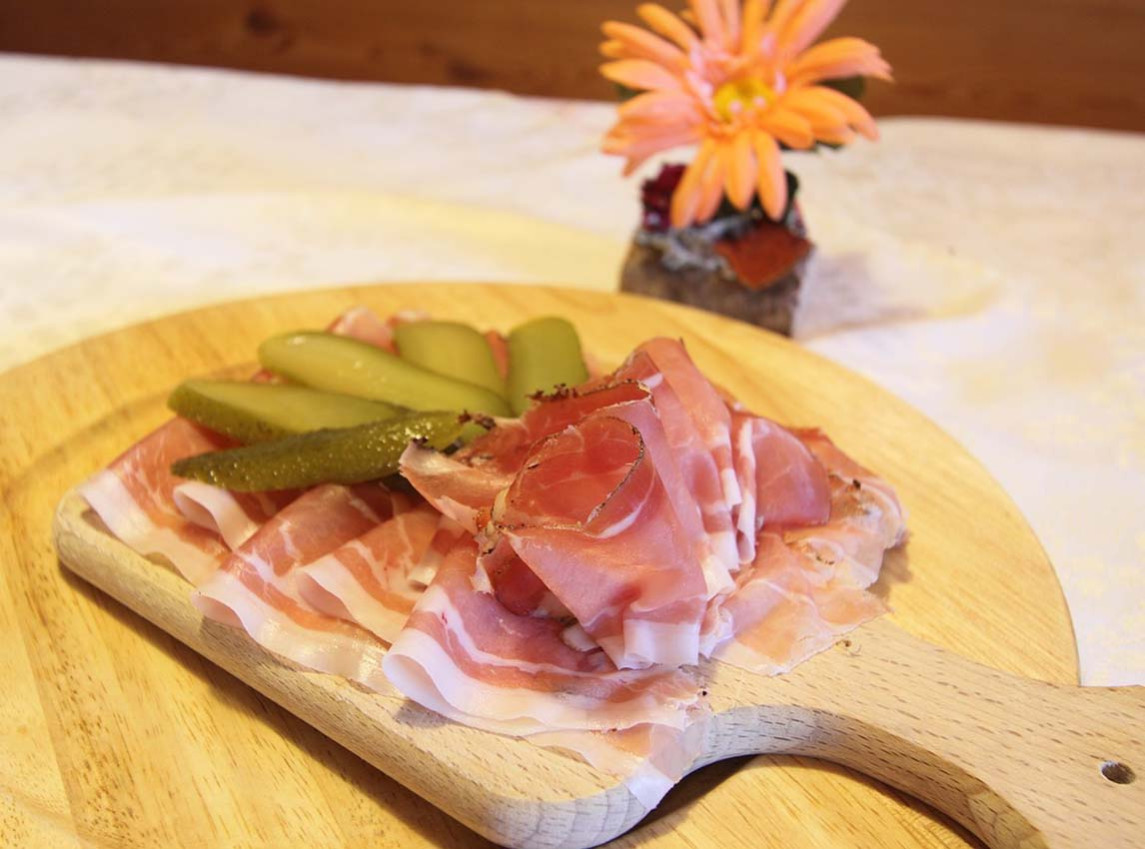
Speck, a delectable smoked product originating from alpine regions, stands as one of the most cherished culinary delights in many European cuisines.
Its history delves deep into local gastronomic traditions, representing a culinary art passed down from generation to generation. In this article, we will explore the origins, production, and influence of speck in Alpine culinary culture.
The Origins of Speck
Speck has ancient origins dating back to times when alpine communities had to find ways to preserve and utilize pork. The term "speck" is derived from the Old High German word "spek," which means fat, reflecting the significance of fat in the preservation process.
The earliest documented traces of this practice can be found in South Tyrol, a mountainous region encompassing parts of northern Italy and Austria. Here, the fresh and dry Alpine air provided an ideal environment for meat aging. The production of speck not only offered a precious food resource but also represented an art that demanded specific skills and knowledge.
The Speck Production Process
The production of speck is a process that requires time, patience, and artisanal expertise. Here is an overview of the key steps:
1. Meat Selection: The meat used to produce speck comes from the pig's thigh. It's chosen for its balanced ratio of meat to fat.
2. Salting: The meat is covered with a mixture of salt, spices, and natural flavors. This aids in meat preservation and flavor enhancement. It's left to rest in a refrigerated environment for several days.
3. Washing and Drying: After salting, the meat is washed to remove excess salt and then thoroughly dried.
4. Seasoning: The meat is then rubbed with a blend of spices like black pepper, garlic, nutmeg, and aromatic herbs. These flavors contribute to speck's distinctive taste.
5. Smoking: One of the most iconic phases of production is smoking. The meat is hung in cool places and smoked with beech, fir, or other aromatic woods for several weeks. This process imparts the dark color and distinctive smoky flavor to speck.
6. Aging: After smoking, the meat is allowed to mature in cool and dry places for several weeks or months, depending on the desired type of speck.
Regional Variations and Culinary Use
The art of speck production has been adapted over time in various alpine regions, giving rise to unique variations. For instance, Italian Alto Adige speck often has a milder aroma compared to Austrian speck, renowned for its more intense flavor.
Speck is a versatile ingredient in the kitchen. It's commonly consumed sliced thin as an appetizer or incorporated into main dishes like pasta, risottos, and soups. Its combination of sweetness, smoky flavor, and tenderness makes it a prized component in many culinary preparations.
Speck is more than just food; it's a testament to the artisanal traditions of alpine communities and their skill in meat preservation and transformation. Its fascinating history and its presence in the cuisines of many European nations underscore its delicacy and gastronomic versatility. So, the next time you savor a thinly sliced speck, remember that you're relishing a piece of Alpine culinary history.
More News
- The vendemmia: the ritual that bring Italy to a halt every september
- PPWR 2026: what changes for food producers and e-commerce
- The Italian Aperitivo: Native Sparkling Wines and Artisan Charcuterie
- Cold pasta and rice salad: the unwritten etiquette of the Italian summer
- Sunday lunch: the Italian architecture of slow time
