


 Italiano


The Psychology of Taste: Why Italian Flavors Are So Comforting
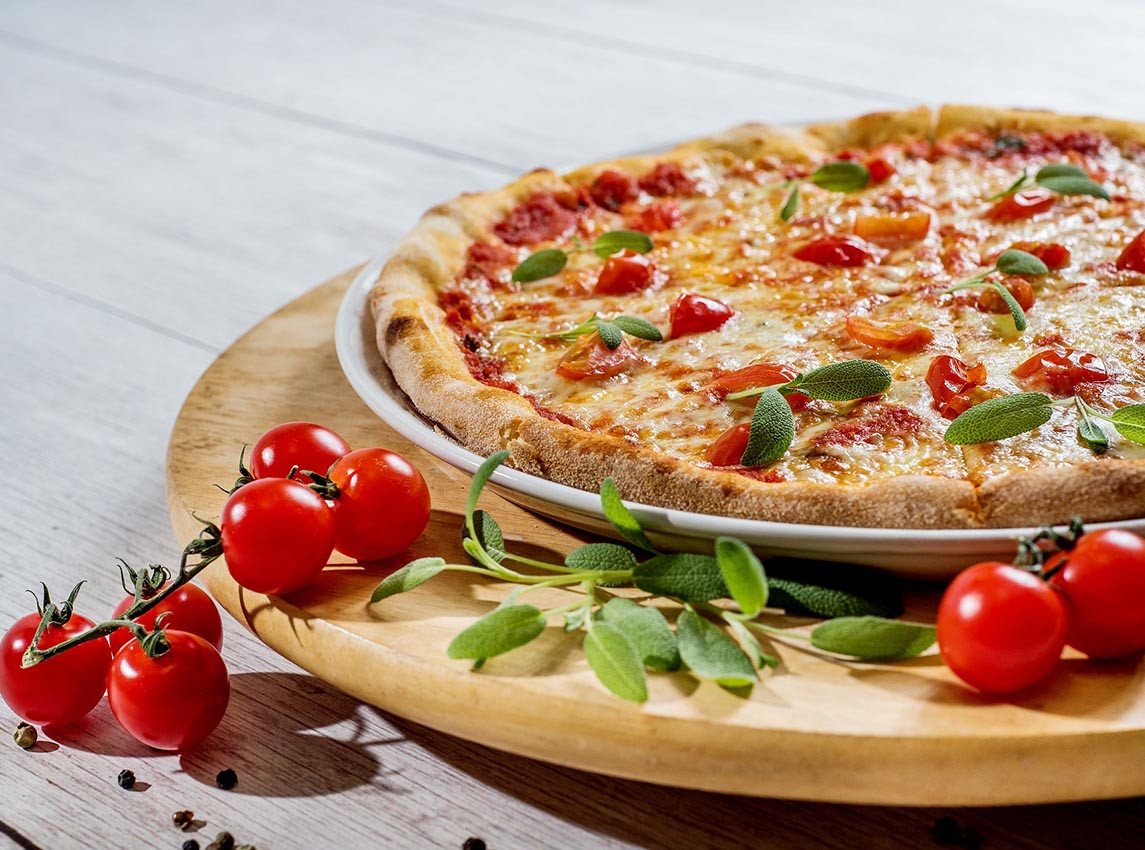
Italian food has the extraordinary ability to evoke emotions, feelings of well-being, and nostalgia, making every meal an experience that goes beyond mere nourishment.
The psychology of taste helps us better understand how and why Italian flavors are so comforting, thanks to a balance of tradition, ingredient quality, and meal rituals.
Taste as Emotion
Taste is much more than a simple sense: it is a complex combination of perceptions involving both our sensory receptors and our mind. When we savor a plate of tomato pasta or a slice of freshly baked bread, areas of the brain associated with emotions are activated, creating a positive response that associates taste with feelings of pleasure and security.
Psychologists argue that taste can act as a powerful trigger for memories and emotional states. This phenomenon, known as "sensory memory," explains why dishes from our childhood can bring us feelings of comfort. In Italian culture, recipes passed down through generations and a focus on genuine flavors reinforce this emotional connection.
The Role of Umami Flavor
One of the key elements of Italian cuisine is the use of umami flavor, a rich and lingering taste found in many typical ingredients such as tomatoes, Parmesan, and prosciutto. Umami not only enhances other flavors but also stimulates dopamine production, a neurotransmitter linked to feelings of pleasure. Research suggests that umami can intensify feelings of satiety and gratification, an important factor in explaining why a simple dish like tomato sauce pasta can be so satisfying.
Additionally, the variety of Italian ingredients rich in umami creates a layered tasting experience that engages all taste buds. This combination of flavors makes Italian cuisine unique in its balance, giving depth even to the simplest preparations.
The Influence of Ritual
The way Italians experience mealtime contributes to making Italian cuisine so special. The ritual surrounding meals, often enjoyed in company, helps reinforce a sense of community and belonging. According to social psychology studies, shared meals improve emotional well-being and foster social cohesion. This connection, visible in Italian habits of family dinners or spending hours at the table on holidays, is a deeply rooted aspect of the culture.
The conviviality of Italian meals is not just a habit but is considered a true ritual that reflects deep values of hospitality and warmth. This ritual turns food into a medium for communication and connection, further enhancing the comfort derived from consuming Italian food.
The Quality of Ingredients
Another essential aspect is the quality of ingredients used in Italian cuisine. Fresh and local products not only lend authenticity to the dish but also positively influence our mood and taste perception. Ingredients like sun-ripened tomatoes or pure extra virgin olive oil not only provide intense flavors but also stimulate a psychophysical response associating these elements with genuineness and health.
Neurogastroenterology studies suggest that the brain responds more positively to high-quality foods, subconsciously associating taste pleasure with the freshness and naturalness of the ingredients. In particular, Italian artisanal production is often appreciated for its respect for raw materials, which increases the perceived value of food and contributes to making Made in Italy cuisine so satisfying.
Technical Aspects: How Taste Works in the Brain
From a neuroscientific perspective, taste involves various brain areas, such as the insula and the orbitofrontal cortex, which work together to interpret taste signals. The orbitofrontal cortex is particularly active in evaluating the "reward" of a food, determining how pleasurable it is. Additionally, the vagus nerve, which connects the gut to the brain, plays a role in shaping our emotional response to food, strengthening the link between food and psychological well-being.
Dopamine released when consuming gratifying foods, such as those rich in umami, enhances the taste experience and promotes feelings of pleasure and satisfaction. This reward system is a key element in the psychology of taste, as it explains how the brain evaluates and stores food experiences, making them more desirable and memorable.
Italian Comfort Food
Ultimately, Italian comfort food is much more than just a dish: it is a multisensory experience that satisfies the palate and nourishes the soul. Dishes like pizza, pasta, and soups have a unique comforting power, derived from a combination of flavors, memories, and conviviality. Italian cuisine offers a sense of comfort that transcends geographical boundaries, carrying with it the values of family, authenticity, and warmth.
Through the psychology of taste, we can understand how each bite can become an emotional experience, especially when linked to meaningful moments and authentic flavors. It is this deep connection that makes Italian cuisine so irresistible, both for those who live it daily and for those discovering it for the first time.
More News
- Fettuccine Alfredo: the true story of the Roman dish the world believes is American
- The vendemmia: the ritual that bring Italy to a halt every september
- PPWR 2026: what changes for food producers and e-commerce
- The Italian Aperitivo: Native Sparkling Wines and Artisan Charcuterie
- Cold pasta and rice salad: the unwritten etiquette of the Italian summer
