


 Italiano


Dark Kitchen: The New Frontier of Italian Dining in 2025
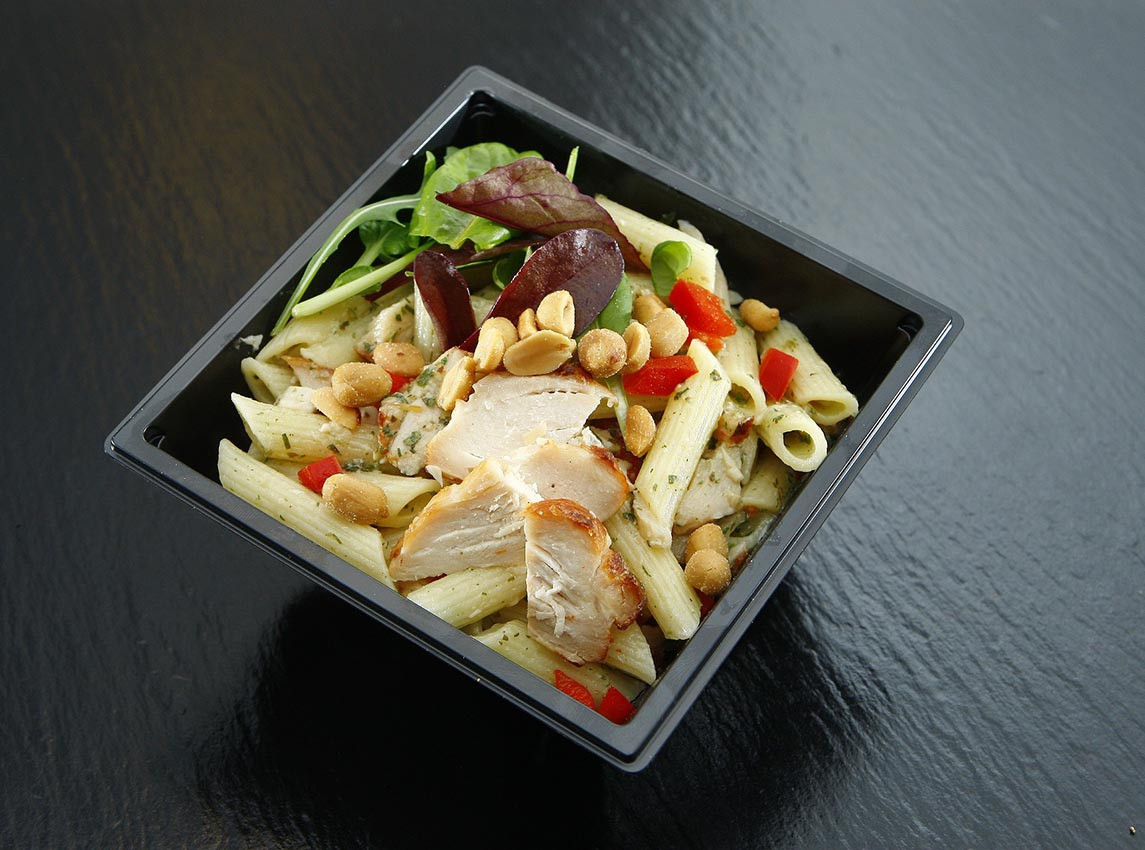
In recent years, the world of dining has undergone an unprecedented transformation.
Traditional dining rooms, set tables, and the aroma of freshly served dishes have given way to a new business model that is also conquering Italy: Dark Kitchens.
This phenomenon, also known as Ghost Kitchens or Cloud Kitchens, represents a silent yet powerful revolution in the global gastronomic landscape. But what are Dark Kitchens, and why are they gaining ground in our country?
What are Dark Kitchens?
Dark Kitchens are professional kitchens dedicated exclusively to preparing food for home delivery. They have no dining rooms, no waiters serving tables, and no direct physical interaction with the end customer.
They operate behind the scenes, often in repurposed industrial spaces or small, highly efficient facilities optimized to produce large volumes of meals quickly.
This model initially spread in Anglo-Saxon and Asian markets, driven by the boom of food delivery platforms such as Uber Eats, Glovo, and Deliveroo. According to a Statista study, the global Dark Kitchen market will exceed $120 billion by 2030, with annual growth surpassing 10%.
In Italy, the pandemic accelerated this process, with a 35% increase in home food orders between 2020 and 2021 alone. This shift in habits paved the way for the spread of Dark Kitchens in our country.
Why are Dark Kitchens succeeding in Italy?
Italy is traditionally tied to the idea of experiential dining, filled with human contact, intoxicating aromas, and stories told by restaurateurs.
However, the Dark Kitchen model is carving out interesting spaces for several reasons.
- Reduced Operational Costs: running a Dark Kitchen means cutting costs associated with dining spaces, front-of-house staff, and furnishings. Every resource is invested in ingredient quality, production efficiency, and delivery optimization.
- Adaptability and Experimentation: without the constraints of a physical location, Dark Kitchens can experiment with new dishes, modify menus quickly, and adapt to consumer preferences almost in real-time.
- Integrated Technology: the entire Dark Kitchen system relies on digital platforms that efficiently manage orders, payments, and logistics. Artificial intelligence and big data help predict demand and reduce waste.
According to research by Just Eat Italia, 65% of Italian consumers order food delivery at least once a month, with increasing demand for gourmet dishes and artisanal preparations.
The impact of Dark Kitchens on Italian culinary tradition
While Dark Kitchens represent an extraordinary opportunity for the food industry, they also raise questions about preserving Italian culinary tradition. Is it possible to maintain the quality, authenticity, and value of regional recipes in such a digital and automated business model?
The answer seems to be positive, thanks to initiatives from renowned chefs who have embraced the Dark Kitchen concept without losing sight of craftsmanship in their dishes. Some examples include renowned chefs using these kitchens to deliver gourmet dishes directly to customers' homes without compromising on quality.
The technology behind Dark Kitchens
Italian Dark Kitchens are becoming increasingly sophisticated thanks to technology. Order management systems, real-time monitoring platforms, and delivery route optimization software are making this model extremely efficient.
Furthermore, sustainability plays a crucial role. Many Dark Kitchens are adopting biodegradable packaging, reducing food waste through predictive technologies, and optimizing production processes.
A kook ahead: where is Italian dining headed?
2025 is set to be a year of consolidation for Dark Kitchens in Italy. We expect a 20% increase in the number of new Dark Kitchens operating nationwide, with growth concentrated in major cities such as Milan, Rome, and Turin.
At the same time, Italian consumers are becoming increasingly demanding. They no longer settle for just a delivered meal but seek an authentic and memorable experience even through online-ordered food.
Dark Kitchens are not just a passing trend but a business model poised to redefine the dining sector. Italy, with its extraordinary culinary tradition, has the opportunity to lead this revolution, bringing quality, authenticity, and innovation even to invisible kitchens.
As the future of dining continues to evolve, one thing is certain: good Italian food will always find a way to reach the tables of those who love our cuisine, whether through a dinner in a starred restaurant or thanks to an intelligent and efficient Dark Kitchen.
More News
- Fettuccine Alfredo: the true story of the Roman dish the world believes is American
- The vendemmia: the ritual that bring Italy to a halt every september
- PPWR 2026: what changes for food producers and e-commerce
- The Italian Aperitivo: Native Sparkling Wines and Artisan Charcuterie
- Cold pasta and rice salad: the unwritten etiquette of the Italian summer
