


 Italiano


Balsamic Vinegar of Modena
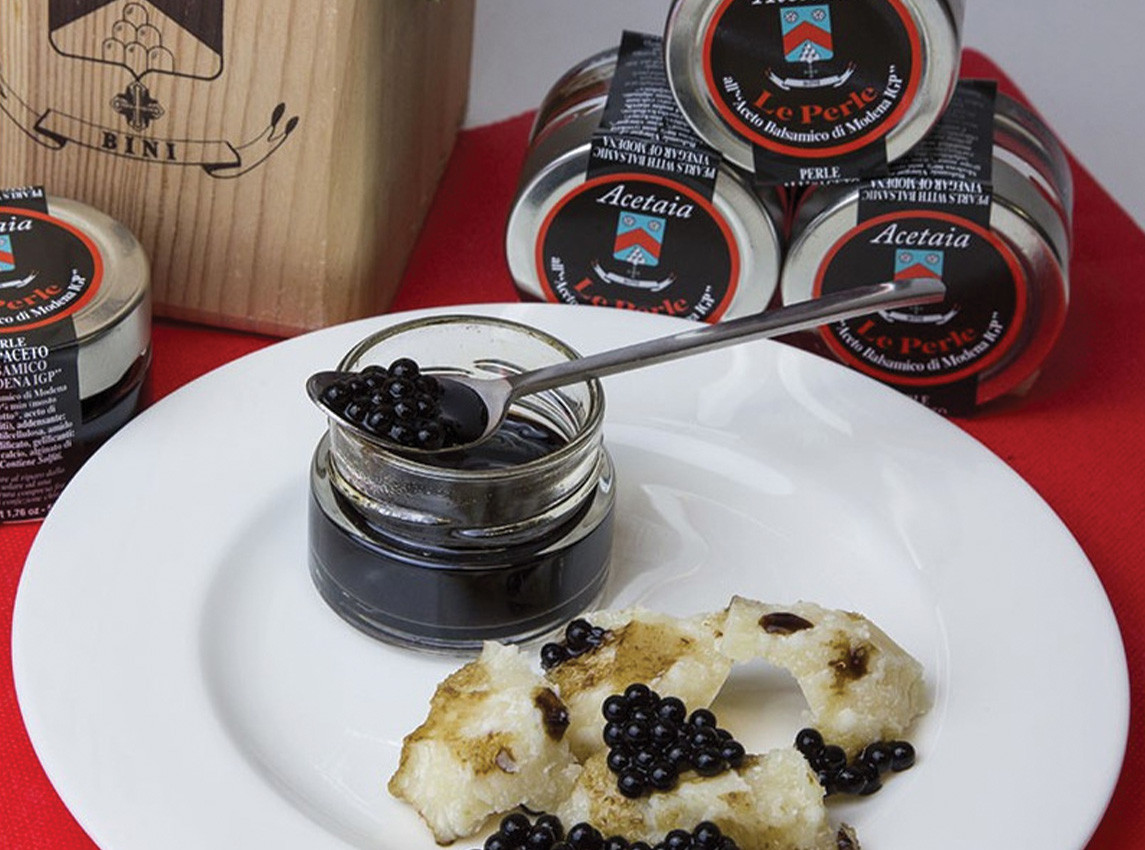
Balsamic vinegar of Modena is one of the most iconic products of Italian culinary tradition.
With its unique flavor that perfectly balances sweetness and acidity, it has become an essential ingredient in kitchens around the world.
Here you will find the history, traditions, technical characteristics, and reasons behind the success of this extraordinary condiment, as well as provide tips on how to best use it in the kitchen.
The History of Balsamic Vinegar of Modena
Balsamic vinegar has ancient origins, dating back to Roman times. However, it was during the Middle Ages that what we know today as balsamic vinegar of Modena began to take shape. Its history is closely tied to the city of Modena and the Este family, who ruled the region for centuries.
In the 16th century, the Dukes of Este began producing a vinegar obtained from the fermentation of cooked grape must, which was then aged in wooden barrels. This vinegar was reserved for the nobility and used not only in cooking but also as a precious gift or medicinal remedy, thanks to its digestive and antibacterial properties.
Tradition and Production
The production of balsamic vinegar of Modena still follows a traditional process today, passed down from generation to generation. The main ingredient is grape must, typically obtained from grape varieties native to Emilia-Romagna, such as Trebbiano and Lambrusco. The must is slowly cooked until it becomes a dense, concentrated liquid, which is then fermented and aged in wooden barrels.
Aging is a crucial element in the production of balsamic vinegar. The liquid is transferred each year into progressively smaller barrels made from different woods, such as oak, chestnut, cherry, mulberry, and juniper. Each wood imparts unique aromas and flavors to the final product, contributing to the unmistakable complexity of balsamic vinegar.
Technical Characteristics
Balsamic vinegar of Modena is protected by the PGI (Protected Geographical Indication) label, which certifies its origin and quality. There are two main types: Traditional Balsamic Vinegar of Modena PDO, made exclusively from cooked grape must and aged for at least 12 years, and Balsamic Vinegar of Modena PGI, which can also contain wine vinegar and must be aged for a minimum of 60 days.
The color is dark and shiny, and the flavor is complex, with notes of wood, cooked fruit, spices, and a pleasant acidity. The consistency ranges from liquid to slightly syrupy, depending on the degree of aging.
Reasons for Success
The success of balsamic vinegar of Modena can be attributed to several factors. First and foremost, the quality of the ingredients and the care taken in production. Every stage of the process is carefully controlled, from the selection of the grapes to the aging in barrels.
Additionally, balsamic vinegar of Modena has benefited from the growing global interest in Italian cuisine and high-quality products. Thanks to its versatility, it has become a cherished ingredient not only by top chefs but also by consumers around the world.
How to Use Balsamic Vinegar in Cooking
Balsamic vinegar of Modena is extremely versatile and can be used in a wide range of dishes. In Italy, it is traditionally used raw, to enhance the flavor of salads, grilled vegetables, and aged cheeses such as Parmigiano Reggiano.
In hot dishes, it can be added at the end of cooking to give a touch of acidity and sweetness. For example, it is perfect for deglazing red or white meats, or for finishing a risotto. Chefs also use it to prepare sweet-and-sour sauces or to decorate desserts, such as strawberries with balsamic vinegar and vanilla ice cream.
Finally, aged balsamic vinegar is a true culinary gem, to be enjoyed in its pure form, perhaps on a piece of grana cheese or a frittata, to fully appreciate its aromatic complexity.
Balsamic vinegar of Modena is much more than just a condiment: it is a symbol of Italian culinary tradition and excellence. Its history, artisanal production, and unique characteristics make it an unparalleled product, capable of transforming even the simplest dishes into an extraordinary gustatory experience.
If you haven’t done so yet, visit our dedicated section on 360italymarket.com and discover the best balsamic vinegars of Modena, carefully selected to ensure quality and authenticity.
More News
- Fettuccine alla Alfredo: the true story of the Roman dish the world believes is American
- The vendemmia: the ritual that bring Italy to a halt every september
- PPWR 2026: what changes for food producers and e-commerce
- The Italian Aperitivo: Native Sparkling Wines and Artisan Charcuterie
- Cold pasta and rice salad: the unwritten etiquette of the Italian summer
