


 Italiano

Technology and Tradition in the Kitchen
In a world where technological innovation continues to transform every aspect of our lives, Italian cuisine—a symbol of tradition and authenticity—is also evolving thanks to increasingly advanced tools and techniques.
However, this evolution does not mean abandoning its roots but rather integrating them with technologies that simplify processes and improve results while preserving the values of Italian gastronomic culture.
The revolution of smart kitchens
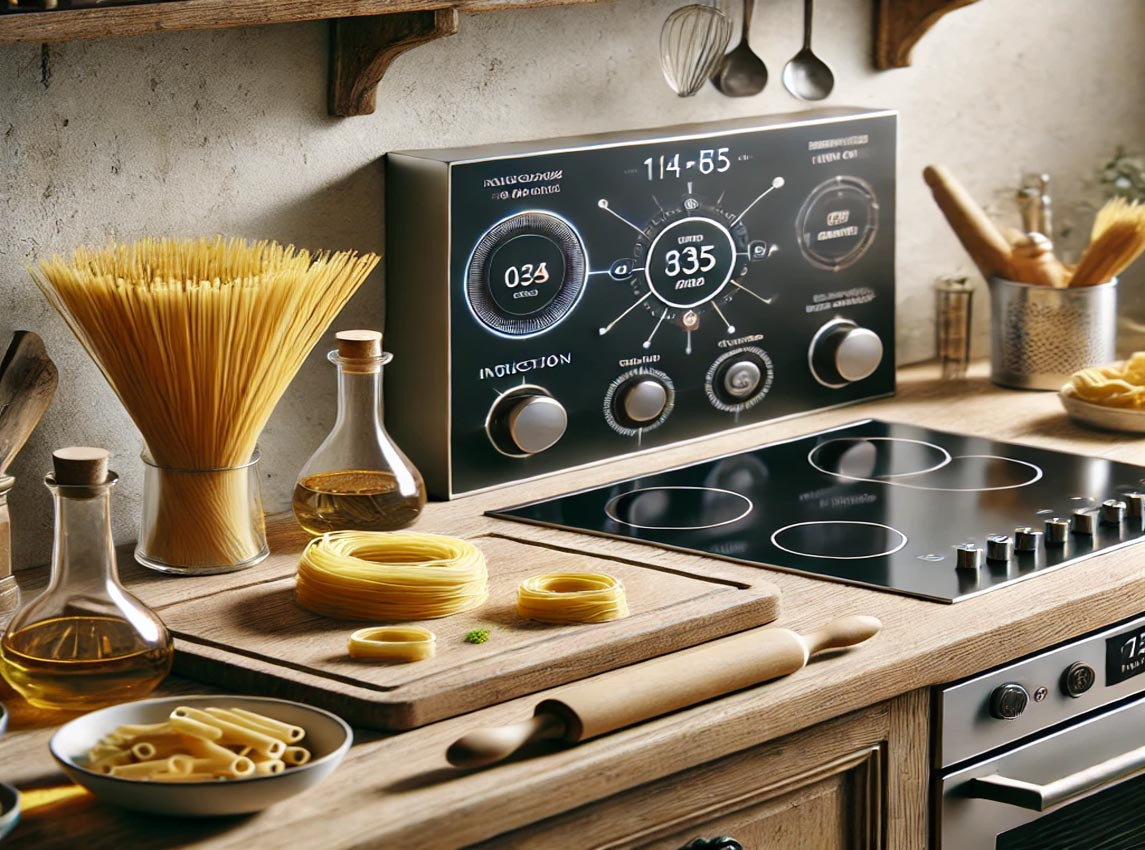
Smart kitchens are redefining the way we cook, combining practicality and precision. Appliances such as connected ovens, multifunction kitchen robots, and advanced induction cooktops allow users to control every stage of preparation through apps or voice commands. These tools not only simplify daily life but also ensure greater consistency in results.
For example, a smart oven can be programmed to cook at an exact temperature, maintaining uniform cooking—perfect for delicate dishes like soufflés or for enhancing the fragrance of homemade focaccia. Such tools also help reduce waste by using only the energy required and optimizing cooking times.
Technologies that respect ingredients
In the kitchen, technology doesn’t just make everything faster; it can also improve the quality of dishes. Techniques such as sous-vide cooking, made accessible by increasingly affordable home appliances, allow flavors to be enhanced without compromising the organoleptic properties of ingredients. This method, which cooks food at low temperatures in vacuum-sealed bags, is particularly valued for preparing meats and vegetables, preserving their original tenderness and juiciness.
Advanced juice extractors and cold-press machines are further examples of how innovation can help preserve the nutrients in food while offering new opportunities to incorporate fresh and healthy flavors into daily diets.
Italian tradition enhanced by technology
Despite innovation, the heart of Italian cuisine remains its tradition. Modern technology can help preserve and promote traditional methods, such as making fresh pasta, homemade bread, or preserves, making them more accessible to everyone. Tools like stand mixers or vacuum sealers simplify processes that once required hours of manual labor without compromising the quality of the final result.
For instance, a stand mixer can knead rustic bread with the same care as an artisanal baker, while a vacuum sealer helps keep ingredients fresh for longer, preventing waste and ensuring authentic flavors every day.
A sustainable future in the kitchen
In addition to improving quality and convenience, technology plays a crucial role in the sustainability of modern kitchens. Energy-efficient appliances, systems for recycling food waste, and solutions for portion control help reduce the environmental impact of meal preparation.
Adopting sustainable technologies is not just a trend but a necessity to safeguard our planet. For instance, some smart kitchens can monitor water and energy consumption, suggesting more eco-friendly alternatives to reduce waste. Even 3D food printers, which seem like something out of a sci-fi movie, are emerging as tools capable of optimizing ingredient usage, creating personalized dishes, and reducing waste.
Technology and tradition serving Made in Italy
The balance between technology and tradition represents the future of Italian cuisine. Advanced tools can improve the quality of preparation without sacrificing the authenticity that makes Made in Italy unique worldwide. This approach not only enriches the culinary experience but ensures that traditions are passed down to future generations, adapting to modern times.
Experimenting with modern technologies does not mean losing touch with one’s roots; rather, it makes grandma’s recipes even more accessible and sustainable. Thus, Italian cuisine evolves while always maintaining the unmistakable taste that makes it beloved everywhere.
More News
- Fettuccine alla Alfredo: the true story of the Roman dish the world believes is American
- The vendemmia: the ritual that bring Italy to a halt every september
- PPWR 2026: what changes for food producers and e-commerce
- The Italian Aperitivo: Native Sparkling Wines and Artisan Charcuterie
- Cold pasta and rice salad: the unwritten etiquette of the Italian summer
Related by Tags
- The Words We Eat: A Sentimental Dictionary of Made in Italy
- Dark Kitchen: The New Frontier of Italian Dining in 2025
- Italian Superfoods: Rediscovering Nutrient-Rich Treasures from Tradition
- Zero Waste in the Kitchen: How to Reduce Waste and Make the Most of Every Ingredient
- Technology and Tradition in the Kitchen
