


 Italiano

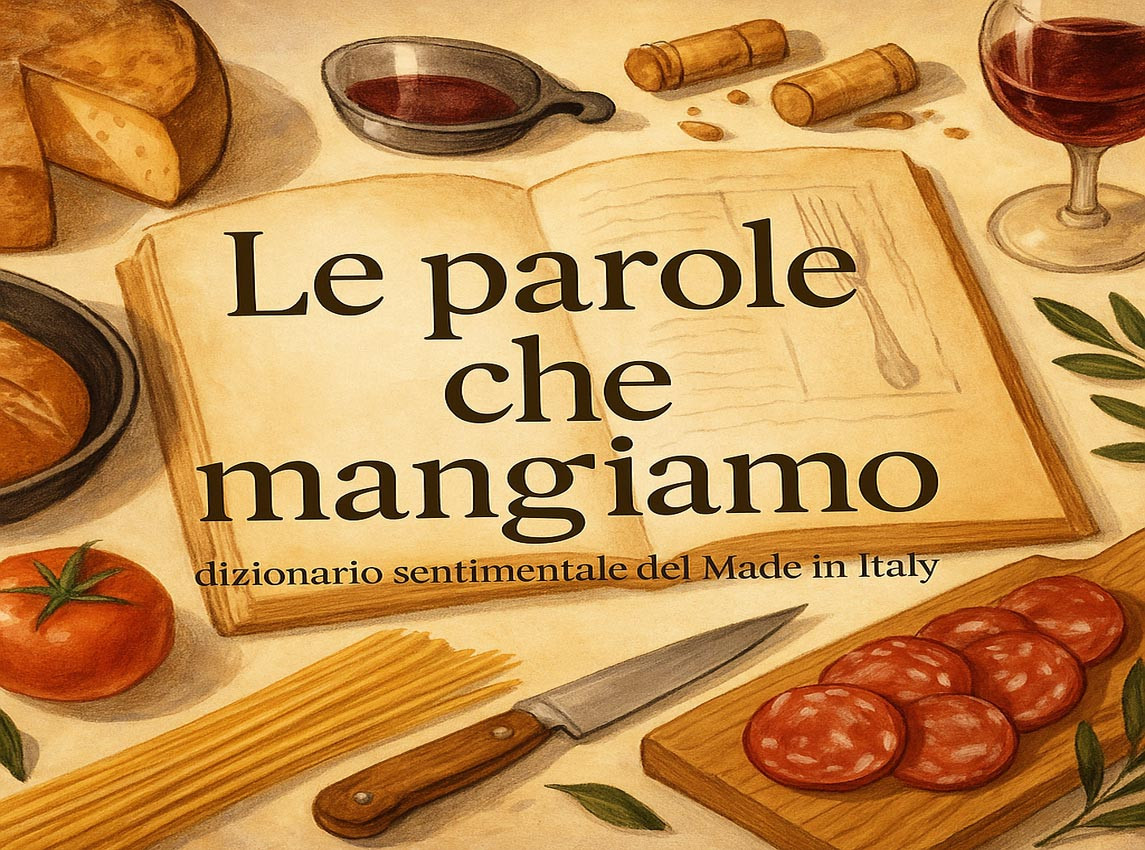
The Words We Eat: A Sentimental Dictionary of Made in Italy
There’s an Italy that tells its story through food. But not only on the plate: in gestures, in silences, in the words that accompany it.
Some terms in our gastronomic vocabulary aren’t just technical descriptions , they’re little treasure chests of culture, history, and identity. Words that nourish the imagination even before the stomach. In a world where marketing has anesthetized taste and labels chase each other like slogans, reclaiming the true meaning of these words is a revolutionary act. And in this gentle rebellion, 360ItalyMarket has chosen to stand on the side of genuine flavor.
“Stagionatura” — Aging — is a word that smells of respect. It’s not just a waiting time, but a time lived, matured, breathed. There’s something deeply human in the idea that cheese, cured meats or wine aren’t made — they become. In the cool shadows of a cellar, time works in silence. While everything rushes outside, inside, it matures. And something mysterious, even sacred, takes place.
“Campagna” — Countryside — isn’t a postcard setting. It’s an inner dimension. It’s breathing soil, earth that smells of rain, silence broken only by wind and cicadas. The countryside is where people still farm by the moon, where tomatoes have baptismal names, and every harvest carries an ancient truth: what grows slowly, endures.
“Impasto” — Dough — is a caress, patience, memory. It’s the meeting of hands and matter, gesture and tradition. When hands dive into flour and water, something happens that no machine can replicate. Inside there is the touch of someone who learned by watching, listening, making mistakes. Dough is a silent dialogue, a daily act of love.
“Cantina” — Cellar — isn’t a space: it’s an altar. There, wine is quiet, it learns, it breathes. No rush, no forcing: just waiting. Every bottle that comes out is a small story in glass, a letter written with time, care, and darkness. And those who truly drink, know how to read between the lines.
And then there’s her. The “nonna” — grandma. Not a figure of speech, but a living presence. Because in Italy, culinary knowledge has the face of women who didn’t read recipes — they cooked stories. Every authentic product has at least one invisible grandmother behind it: a hoarse voice, a stained apron, a secret never spoken aloud. When you bite into something that tastes like home, you’re not just eating ingredients. You’re tasting love passed down.
“Territorio” — Territory — is a word that often gets emptied by marketing, but when it’s true, it vibrates. It means a flavor is born of a place. A cheese that speaks of alpine air, an oil that tells of sun and stone, a salami that carries the cold of the Apennines. These can’t be cloned. Because they are born of geography, of wind, of effort.
And then there’s the most underestimated word of all: “lento” — slow. In a world that runs, slow is a political act. It’s the choice not to chase. It’s the luxury of doing something well, not just fast. A food made slowly is a food that had time to think. And perhaps even to love whoever will eat it.
The words we eat tell us more than any label. They’re not just terms: they’re rituals, gestures, affections. They’re keys to a world we risk losing if we keep calling “product” what should be called creation.
360ItalyMarket protects these words. It keeps them alive. It shields them from the noise. It turns them into flavor, story, and choice.
Because if we learn again to value words, we’ll also learn again to value food. The real kind. Ours.
More News
- The vendemmia: the ritual that bring Italy to a halt every september
- PPWR 2026: what changes for food producers and e-commerce
- The Italian Aperitivo: Native Sparkling Wines and Artisan Charcuterie
- Cold pasta and rice salad: the unwritten etiquette of the Italian summer
- Sunday lunch: the Italian architecture of slow time
